
 Standing Firm in Faith, Education and Service
March 2026
Established 1984
UK Registered Charity No. 290198
www.imrc.org.uk
[Editorial Team]
Omair (Editor), Esam (Contributor), Arqam (Contributor), Mohammad Alamullah
Editorial Team: Omair (Editor), Esam (Contributor), Arqam (Contributor), Mohammad Alamullah
Standing Firm in Faith, Education and Service
As we enter March 2026, the global landscape continues to shift rapidly. Economic uncertainties, rising living costs, geopolitical tensions, and social divisions have created anxiety for communities across the world. For Indian Muslims, both in India and in the diaspora, the challenges remain complex and layered, ranging from socio-economic marginalisation and educational barriers to concerns around communal harmony and representation. Yet amid these difficulties, there remains a powerful and enduring truth: our strength lies in unity, education, and compassionate service.
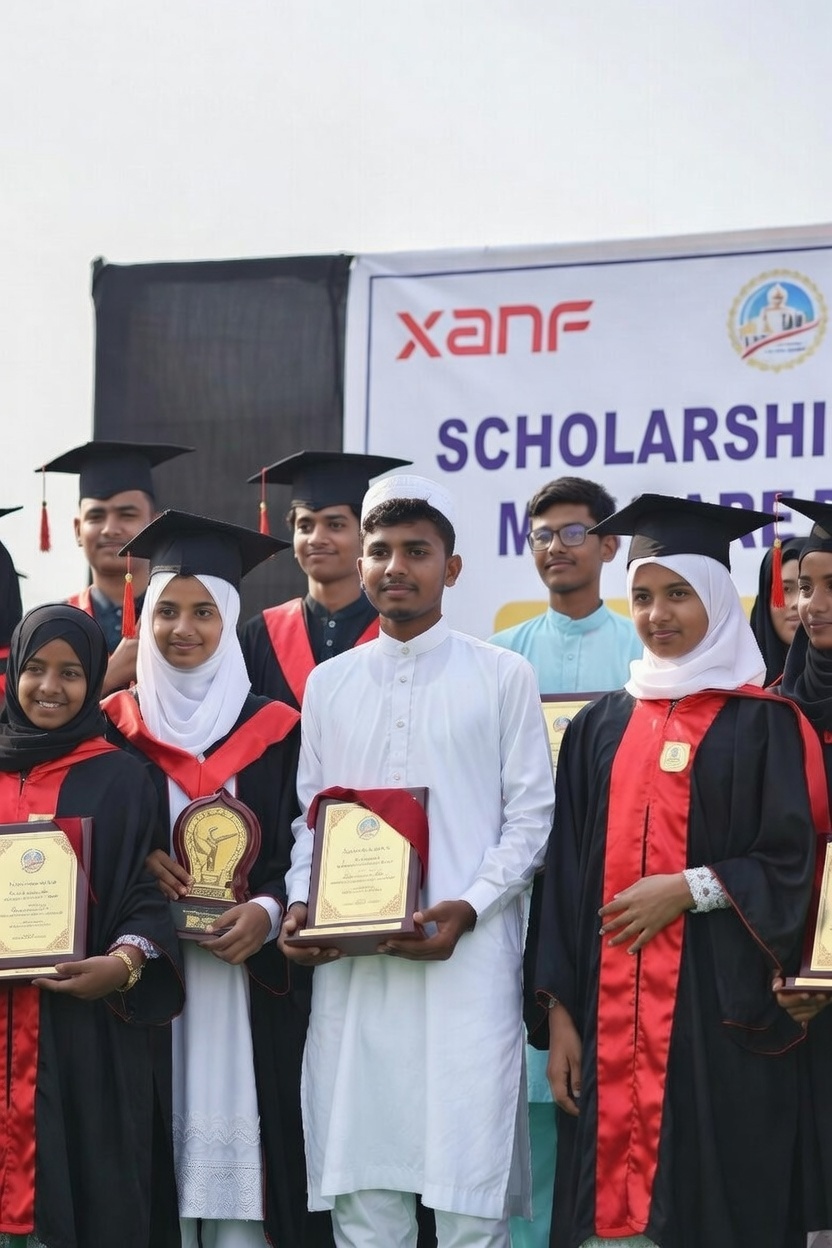
For over four decades, IMRC UK has worked quietly and consistently to support Indian Muslims facing poverty, distress, and educational disadvantage. Established in 1984, our mission has always been rooted in two principles: relief from hardship and the advancement of education and awareness. Today, these principles are more urgent than ever.
Across many parts of India, access to quality education remains uneven. While there have been notable improvements in enrolment and digital access, many children from economically weaker Muslim households continue to struggle with inadequate school infrastructure, limited scholarship opportunities, and social challenges that hinder academic progress. Education is not merely about literacy; it is about dignity, empowerment, and the ability to shape one’s own future. Without sustained investment in learning, communities’ risk generational stagnation.
At the same time, communal tensions and misinformation can deepen mistrust between communities. We believe strongly that the response must never be despair or anger, but constructive engagement, legal awareness, and community-led development. When we fund a student’s education, support a widow’s livelihood, or rebuild a flood-damaged home, we are not merely offering charity, we are restoring hope.
The Indian Muslim diaspora in the UK and Europe has a unique role to play. Living in societies that offer institutional protections, access to resources, and opportunities for advocacy, we are positioned to amplify voices that might otherwise go unheard. Diaspora engagement must go beyond occasional donations; it must become structured, strategic, and sustainable. Sponsoring education, supporting research on social conditions, and investing in long-term welfare projects can create lasting transformation.
The coming months also bring the blessed period of Ramadan, a time of reflection, generosity, and renewed commitment to justice. In an era where headlines often focus on division, let us instead focus on compassion. Let our giving be thoughtful and impactful. Let our conversations be measured and constructive. Let our support extend to the most vulnerable,orphans, students, daily wage earners, widows, and those rebuilding after disasters.
We are encouraged by the resilience we witness daily: young Muslim scholars excelling in universities; entrepreneurs building ethical businesses; community groups organising interfaith dialogues; volunteers travelling long distances to distribute aid. These stories rarely dominate the news cycle, but they are the true narrative of our community.
IMRC UK will continue to expand its educational sponsorship programmes, strengthen relief mechanisms, and collaborate with trusted partners on the ground. We invite you to stand with us,not only as donors, but as ambassadors of hope.
In a time of uncertainty, faith and action must walk hand in hand. Together, we can ensure that relief reaches those in distress, education uplifts the next generation, and justice remains our guiding principle.
-Editor
From the Pages of History
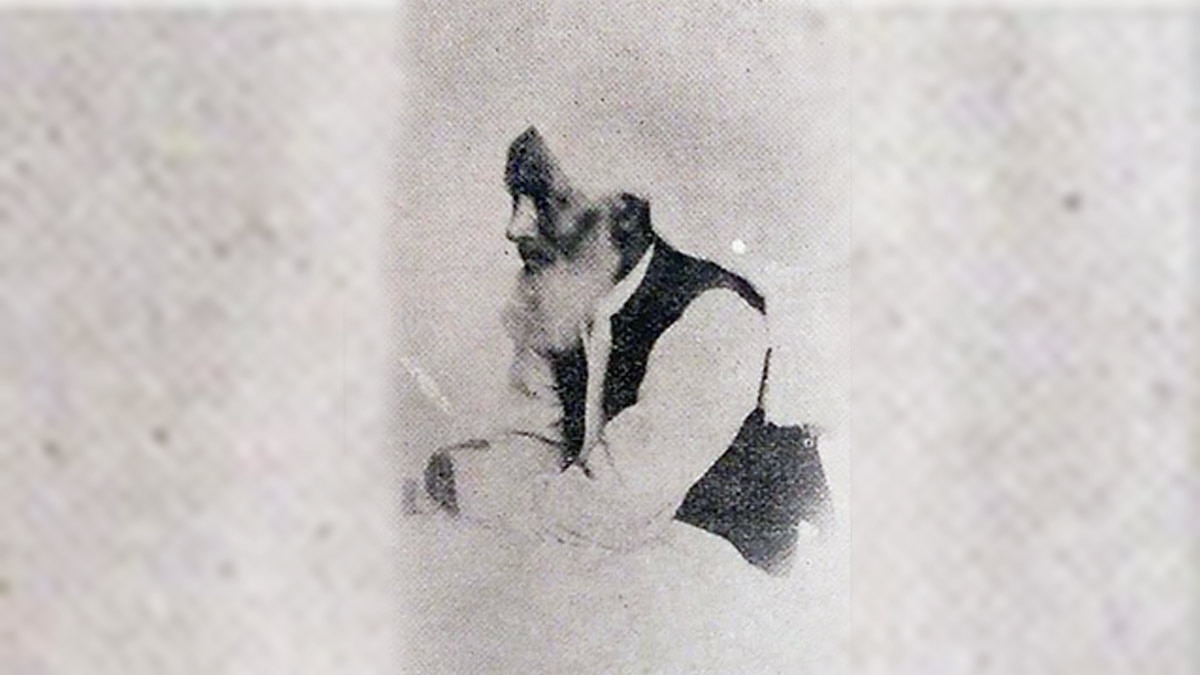
Mahmud Hasan Deobandi: The Shaykh al-Hind and Pioneer of Freedom
Mahmud Hasan Deobandi, revered as Shaykh al-Hind (1851–1920), stands as a towering figure in Indian Muslim history, blending scholarly excellence with unyielding activism for independence. Born in Bareilly, Uttar Pradesh, in 1851, Mahmud Hasan embarked on a path that would intertwine Islamic scholarship with the fight against colonial rule. As the first student at the newly founded Darul Uloom Deoband seminary in 1866, he absorbed knowledge from luminaries like Muhammad Qasim Nanawtawi and Mahmud Deobandi, mastering theology, jurisprudence, and Sufism. Authorized in Sufism by mentors Imdadullah Muhajir Makki and Rashid Ahmad Gangohi, he embodied a holistic approach to faith,intellectual rigor fused with spiritual depth.
His early life was marked by a commitment to education as a tool for upliftment. At Deoband, Mahmud Hasan not only studied but taught, shaping generations of scholars who would carry forward the Deobandi tradition of reformist Islam. This emphasis on learning was revolutionary in an era when colonial policies marginalized Muslim communities, denying them access to modern education while eroding traditional systems. Mahmud Hasan envisioned education as a bulwark against oppression, a means to foster self-reliance and moral integrity among Indian Muslims.
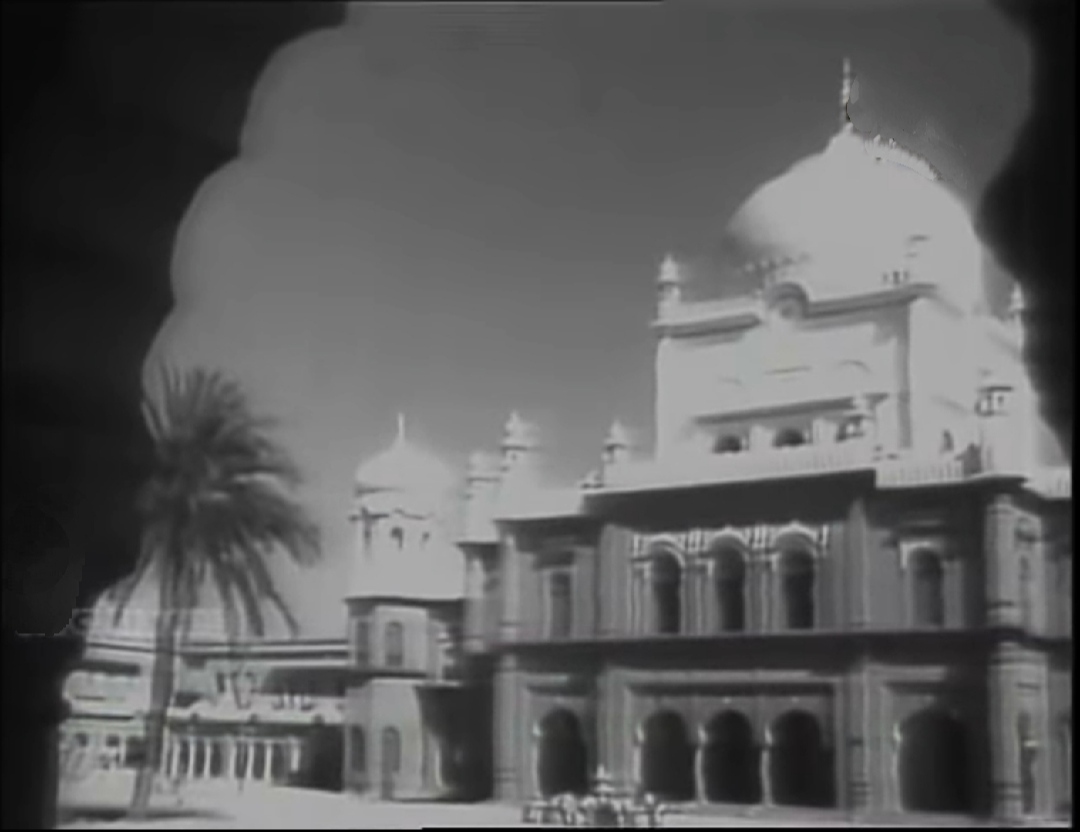
The turning point in Mahmud Hasan’s life came with his immersion in the Indian Independence Movement. Disillusioned by British imperialism, he co-founded the Jamia Millia Islamia University in 1920, an institution designed to promote nationalist education free from colonial influence. This venture was a bold statement: education could be a weapon for liberation. Earlier, in 1915, he launched the Silk Letter Movement, a clandestine network smuggling silk handkerchiefs inscribed with secret messages to rally support against the British from Afghanistan and the Ottoman Empire. This audacious plot, though thwarted, highlighted his strategic genius and willingness to risk everything for freedom,earning him imprisonment in Malta from 1917 to 1920.
Even in exile, Shaykh al-Hind’s spirit remained unbroken. Upon release, he returned to India as a hero, inspiring figures like Mahatma Gandhi and Maulana Abul Kalam Azad. His fatwa against British rule in 1919 galvanized Muslim participation in the Non-Cooperation Movement, bridging communal divides for a united front. Mahmud Hasan’s legacy transcends his era; it speaks directly to contemporary challenges. In 2026, as Indian Muslims grapple with systemic marginalization,be it through unequal access to education or discriminatory laws,his model of scholarly activism reminds us that knowledge is power. By overcoming barriers through education, communities can reclaim agency, foster justice, and build resilient futures.
Today, institutions like Darul Uloom and Jamia Millia continue his vision, producing leaders who advocate for minority rights. For the diaspora, supporting educational initiatives,such as IMRC’s sponsorship programs,echoes his call to action
Indian Muslim News Digest (February – March 2026)
Ramadan 2026 Likely to Begin Feb 18–19 in India
Muslims across India are preparing for Ramadan 2026, expected to begin on February 18 or 19 depending on crescent moon sighting. Communities are organising fasting schedules, suhoor/iftar arrangements and spiritual programmes. Local mosques and Islamic centres are finalising logistics for taraweeh prayers and charity drives (zakat/fitrana). As the holy month approaches, many families are planning communal meals and outreach to the needy. Economic Times
National Minority Commission Backlog Raises Concerns
India’s National Minority Commission (NCM) remains without a chairperson and key members, leading to a surge in unresolved discrimination complaints, especially from Muslim citizens. Cases against denial of opportunities, harassment and communal bias have risen sharply, prompting calls for appointments and institutional reform to ensure minorities can access justice. Catholic Connect
Muslim Groups Seek Supreme Court Review of Political Speech
The All India Muslim Personal Law Board and Jamiat Ulama-i-Hind have petitioned the Supreme Court to examine alleged hate speech by state leaders, claiming such rhetoric undermines constitutional harmony. AIMPLB spokespeople said recurring divisive language against Muslim communities threatens social cohesion and sets dangerous precedents for political discourse. The move reflects heightened legal activism among minority organisations. Shia Waves
Minority Budget Utilisation Falls Sharply, Raising Concerns for Muslim Education
A new policy analysis has revealed that India’s minority affairs budget including funding for Muslim welfare and education is being severely under‑utilised, sparking alarm among researchers and lawmakers. According to figures cited in Kashmir Times, while ₹3,400 crore was allocated to the Ministry of Minority Affairs in 2026–27, actual spending on welfare programmes has dropped drastically compared with earlier years. In 2023–24 only ₹154 crore was used out of ₹3,098 crore, and in 2024–25 just 22 % of the allocated funds were spent. Analysts blame the non‑approval of key scholarship schemes and the discontinuation of programmes like the Maulana Azad National Fellowship and Nai Udaan. Policy experts warn that declining budget utilisation and stagnant funding could deepen educational gaps for Muslim students, whose higher education participation remains well below India’s national average. Kashmir Times
UN Committee Seeks India’s Response Over Discrimination Against Bengali Muslims in Assam
A UN human rights committee has formally asked India to respond to allegations that Bengali Muslims in Assam face discrimination in citizenship documentation, citizenship rights and monolingual exclusion policies. Rights advocates argue these practices marginalise Muslim settlers despite constitutional protections. The panel’s request signals ongoing international scrutiny of India’s implementation of minority rights. The Indian government is expected to provide clarifications and measures taken to ensure equal treatment for all religious communities under international law. Muslim Mirror
Report Highlights Surge in Hate Speech Against Muslims
A new annual report documented over 1,300 hate speech incidents in India during 2025, with about 87 % targeting Muslims or Muslims alongside Christians. The data showed a striking increase compared to previous years, with incidents occurring most frequently in Uttar Pradesh, Maharashtra and Delhi. Civil rights organisations urged government intervention and stronger enforcement of anti-hate laws. Maktoob Media
Bollywood’s latest film pushes anti-Muslim narrative
A newly released Bollywood film has come under scrutiny for allegedly reinforcing anti-Muslim stereotypes. Critics, cultural analysts, and advocacy groups argue that the storyline and character portrayals risk perpetuating negative perceptions of Indian Muslims, potentially deepening societal bias. While filmmakers defend the work as fictional entertainment, opponents emphasize the social responsibility of cinema to avoid marginalizing real communities. The debate has sparked discussions on balancing creative freedom with inclusivity, highlighting the need for sensitive storytelling in India’s diverse society. Muslim Network TV
Community Leader Kanthapuram Raises Muslim Welfare Issues with Prime Minister
Sunni leader Kanthapuram A P Aboobacker Musaliyar met Prime Minister Narendra Modi in New Delhi to discuss social, educational and developmental concerns facing minority communities, including Indian Muslims. The meeting covered programs such as the Maulana Azad National Fellowship, improving educational opportunities, resource allocation for minority welfare schemes, and upgrading centres like AMU’s Malappuram campus. Senior community representatives emphasised constructive dialogue to expand inclusivity and welfare access. Times of India
Hate Crime Database Reports Rising Incidents Against Muslims in India
A hate crime database tracking communal bias reported continuing incidents of violence and targeted crimes against Muslims across India in late 2025. Although the data highlights local variations, activists warn that such crimes undermine public trust and minority safety. Human rights advocates are calling for enhanced policing, stronger enforcement of anti-hate laws, and community-based prevention mechanisms. They emphasise that equitable law enforcement is vital for securing Muslim citizens’ constitutional rights. Muslim Mirror
UN Rights Group Criticises India’s Treatment of Religious Minorities
Human Rights Watch’s 2026 global report accused Indian authorities of wrongful expulsions and discriminatory practices against Bengali-speaking Muslims and Rohingya refugees, labelling them “illegal migrants” despite claims they are Indian citizens. The report says such policies have contributed to the stigmatization of religious minorities and called for fair treatment aligned with international human rights standards. Human Rights Watch
Watchdog Report Warns AI Used to Target Minorities Including Muslims
A new watchdog report warns that AI surveillance and generative technologies are being used to monitor, profile and target minorities including Muslim communities in India. The analysis expresses concern about weak safeguards around AI usage, potential bias in algorithmic systems, and the risk of digital exclusion. Civil liberties groups call for transparency and regulation to protect minority rights in the digital age. Clarion India
At Least 50 Muslims Killed in Extrajudicial Incidents
A rights group report released in early 2026 documented that at least 50 Indian Muslims were killed in alleged extrajudicial incidents in 2025, including deaths linked to security forces and extremist violence. Activists say the findings show a troubling trend of unlawful deaths and call for accountability and stronger protections for minority communities. Muslim Network TV
First Muslim Mayor Elected in Parbhani, Maharashtra
Syed Iqbal Syed Khwaja was appointed Mayor of Parbhani, Maharashtra, marking the first Muslim to hold the position in the city’s history. The Shiv Sena (UBT) party said the appointment recognises the Muslim community’s electoral support, highlighting inclusive local governance. Community leaders welcomed the development as a positive step toward broader political representation for Indian Muslims in regional politics and civic institutions. Times of India
Muslim Groups Oppose Mandatory Vande Mataram Recitation
The All India Muslim Personal Law Board, along with opposition parties, has opposed a government move to mandate recitation of all six verses of Vande Mataram at official events and schools. Critics argue that mandating the full song risks alienating Muslim and other non-Hindu citizens due to theological objections to certain lines. The page-wide debate in Parliament and civil society highlights tensions between nationalist symbolism and religious freedoms. Time of India
Civil Society Raises Concern Over Attacks on Minority Worship Places
In New Delhi, a public hearing by Indian Muslims for Civil Rights (IMCR) and the Association for Protection of Civil Rights (APCR) documented reported attacks, vandalism and threats against minority places of worship especially mosques across India. Former judges, lawyers and activists urged attention to what they describe as an emerging pattern of religious site targeting, and called for legal safeguards and accountability to uphold freedom of religion and protect minority worship spaces. Millat Timed
Court Sentences 12 in Azamgarh Shia-Sunni Riot Case After 27 Years
A court in Azamgarh, Uttar Pradesh has convicted 12 people, including three brothers, to life imprisonment for their role in the Shia-Sunni communal riots that occurred 27 years ago. The case stems from a clash reported in April 1999. The verdict after so many years brings closure to victims’ families and is being seen as a reminder of enduring legal processes in communal violence cases. Local reactions were mixed, with some praising justice and others calling for reconciliatory community engagement. NavBharat Time
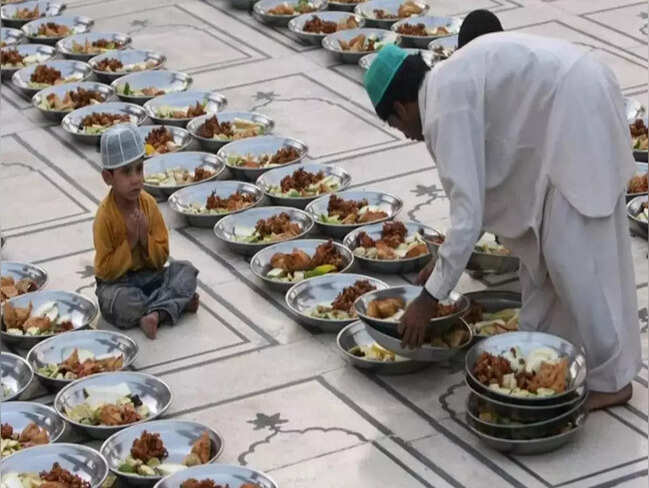
Community News: UK & Europe
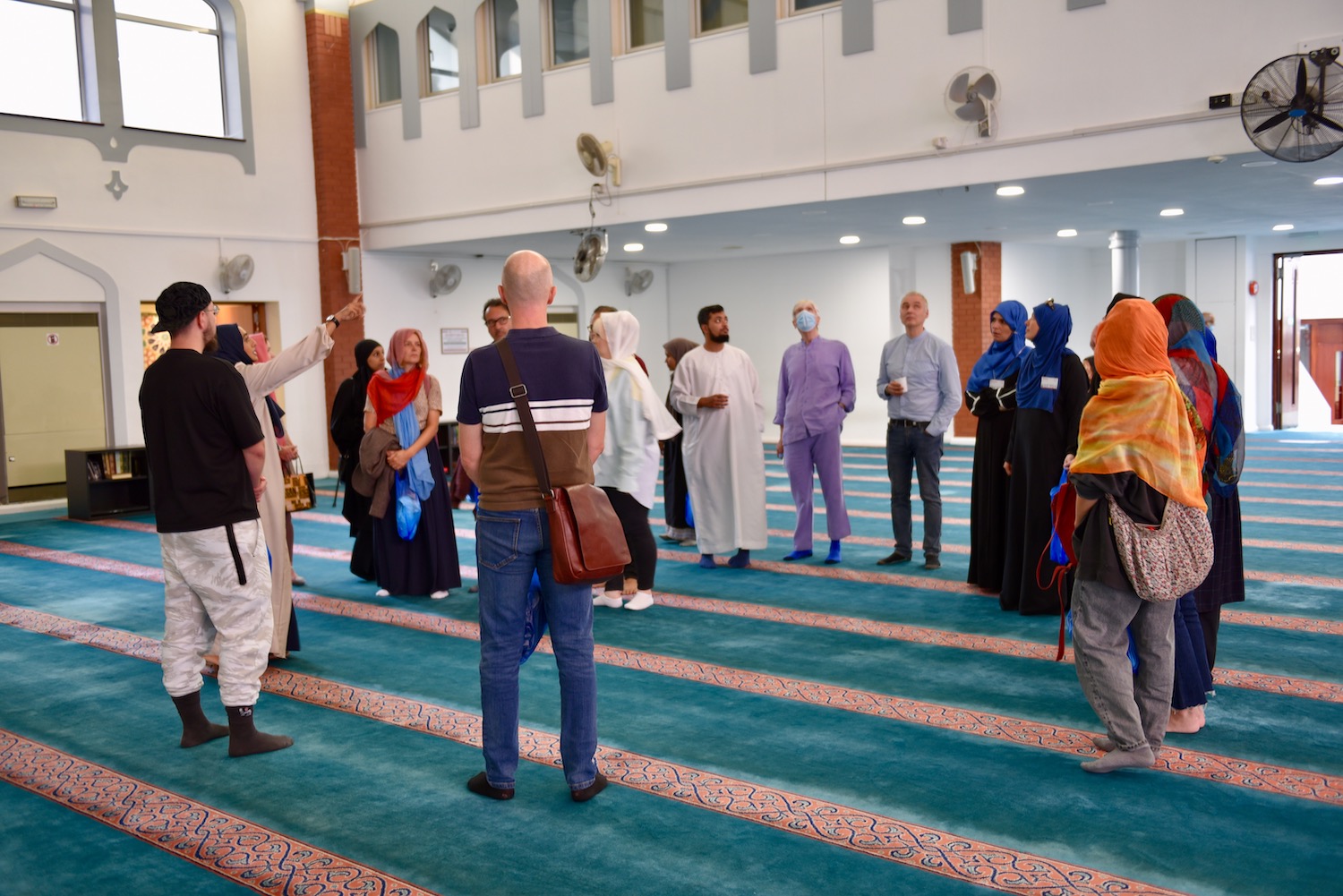
Ramadan 2026 Timetables Published for UK Muslim Communities
With Ramadan 2026 beginning around 18–19 February, Muslim organisations published detailed sehri and iftar timings for London, Manchester, Birmingham and other UK cities to support community observance. The guidelines help mosques coordinate daily fasting routines, congregation prayers, educational workshops, and charity events. Local Islamic centres highlighted how Ramadan also strengthens community bonds through collective worship and enhanced charitable giving (zakat and sadaqah). The timetable offers guidance through each day of Ramadan, enabling families, youth groups and university Muslim societies to plan activities, iftar gatherings and interfaith outreach. The shared calendar also supports diaspora students and professionals working or studying in the UK, reinforcing the continuity of observance even away from home. Economic Time
🇬🇧 UK Government Criticised for Failing to Define Anti-Muslim Hostility
A prominent cross-bench peer and chair of the Muslim Women’s Network UK warned that the UK government’s delay in adopting a formal definition of anti-Muslim hostility sends a harmful message that Muslim safety is not a priority. The recommendation, proposed by a government working group in 2025 to align with existing laws against discrimination, has not been implemented, despite mounting evidence of rising Islamophobia. According to government statistics, hate crimes targeting Muslims increased nearly 20% in 2025, with Muslim women facing disproportionately high levels of abuse. Advocates argue that an official definition would improve reporting, protection and legal clarity for Muslims facing prejudice. Supporters point to the earlier adoption of a definition of antisemitism as a model, saying similar clarity is long overdue for Muslim citizens. The Guardian
Leeds Launches Anti-Muslim Prejudice Toolkit for Public Services
The city of Leeds has unveiled an innovative “Tackling & Understanding Anti-Muslim Prejudice Toolkit”, developed with input from the Leeds Muslim Network and Muslim Youth Forum. The toolkit was launched at a high-profile civic event attended by local leaders, academics and interfaith organisers.Designed for use by schools, workplaces, council teams and charities, the toolkit provides practical steps to recognise and respond to anti-Muslim bias in daily interactions and institutional settings. It includes guidance on identifying harassment, supporting victims, and building inclusive cultures. Civic figures described the initiative as a “defining moment” for community cohesion in one of the UK’s most diverse cities.Proponents say the effort demonstrates how local leadership and Muslim community organisations can partner to combat discrimination and strengthen social unity across British cities. Asian Express Newspaper
British Muslims Recognised in the 2026 New Year Honours List
The Muslim Council of Britain (MCB) has highlighted the inclusion of 37 British Muslims on the 2026 UK New Year Honours List, recognising outstanding service across public life. Honourees include CBEs, OBEs, MBEs and BEMs awarded to professionals in sectors such as finance, children’s social care, healthcare, transport logistics, education, arts and community volunteering. These awards acknowledge contributions from diverse regional backgrounds, illustrating Muslim participation at high levels of national service and civic engagement. A spokesperson from MCB praised awardees for their dedication to improving British society and highlighted that Muslim achievement spans grassroots activism to strategic leadership roles. The awards also reflect increased visibility of Muslim excellence in fields that impact economic growth, community cohesion and public welfare across the UK. Muslim Council of Britain
Muslim Europe Lecture Series Hosted in Folkestone (Apr 3 2026)
A community event titled “Muslim Europe: A Journey in Search of a 1400-Year History” took place on 3 April 2026 in Folkestone, England. Organised by SD Projects, the lecture by award-winning author Tharik Hussain explored the significant but often overlooked contributions of Muslim civilisations and individuals to Europe’s cultural and intellectual history. The event brought together UK and European audience members for history, Q&A discussions and community networking over food and fellowship after the talk. Topics covered included early Muslim expansion into Europe, scientific advancements, philosophical influences, and centuries-old links between Muslim and European societies that predate modern nation-states. Local organisers said the evening aimed to deepen awareness of shared heritage and promote understanding across Muslim and non-Muslim communities in Britain and continental Europe. Event Brite
British Indian Diaspora Report Highlights Success and Contribution
A recent UK study has recognized the Indian diaspora including Indian Muslims as among Britain’s most economically successful groups, noting their critical role in post-war recovery, technology growth and entrepreneurship. The report traces migration waves from 1947 to the present and highlights educational attainment, business leadership, and economic integration across sectors. It emphasises the community’s contributions to healthcare, information technology, finance and small business development, and notes that diaspora networks often support youth employment and professional mentoring. While not exclusively focused on religion, the report underscores how Indian Muslim families have been part of this broad narrative, balancing cultural heritage with civic participation in UK society. The findings will inform policymakers and community groups as they plan inclusion strategies and interfaith collaboration. Times of India
UK Legal Case Over Quran Burning Sparks National Debate
A controversial legal case in the UK involving a Quran-burning incident in London has resurfaced after the Crown Prosecution Service appealed a lower court’s decision to overturn the individual’s conviction. The defendant, a Turkish asylum seeker, burned the Quran outside the Turkish consulate in 2025 and was initially convicted of a religiously aggravated public order offence. The High Court will hear arguments on balancing free speech rights with protections against religious hatred. Muslim leaders and civil society groups are closely watching developments, arguing that the appeal outcome could set precedent on how UK courts handle anti-religious expression and community sensitivity, particularly for Muslim populations. The Sun
Muslim Organisations in Europe Highlight Citizenship Challenges
A recent UK-based report warns that existing British laws allowing the Home Secretary to strip citizenship could disproportionately affect Muslims with dual heritage, including South Asian communities. Civil rights advocates argue these powers, framed as national security tools, risk undermining social confidence and belonging among ethnic and religious minorities. Activists have called for greater legal safeguards, transparency and community consultation around citizenship legislation. The debate has gained traction in parliamentary committees and is expected to shape policy conversations in the coming months. English Bombay Samachar
Documentary Highlights Uyghur Muslim Surveillance in China
A recent documentary sheds light on China’s mass surveillance and detention of Uyghur Muslims in the Xinjiang region. The film presents satellite imagery, leaked documents, and survivor testimonies to detail how advanced technologies including facial recognition, biometric data collection, and AI-driven monitoring are allegedly used to track and detain members of the Uyghur community and other Muslim minorities. It also documents accounts of detention centres, restrictions on religious practice, and family separations. Human rights advocates say the documentary raises urgent concerns about religious freedom and civil liberties, urging greater international scrutiny and accountability. The film has sparked renewed global discussion about the treatment of Muslim minorities in China and the role of surveillance technology in state control. Muslim Network TV
IMRC NEWS & UPDATES:
Individual vs Institutional Zakat: Scholars Call for Hybrid, Trust-Based Models
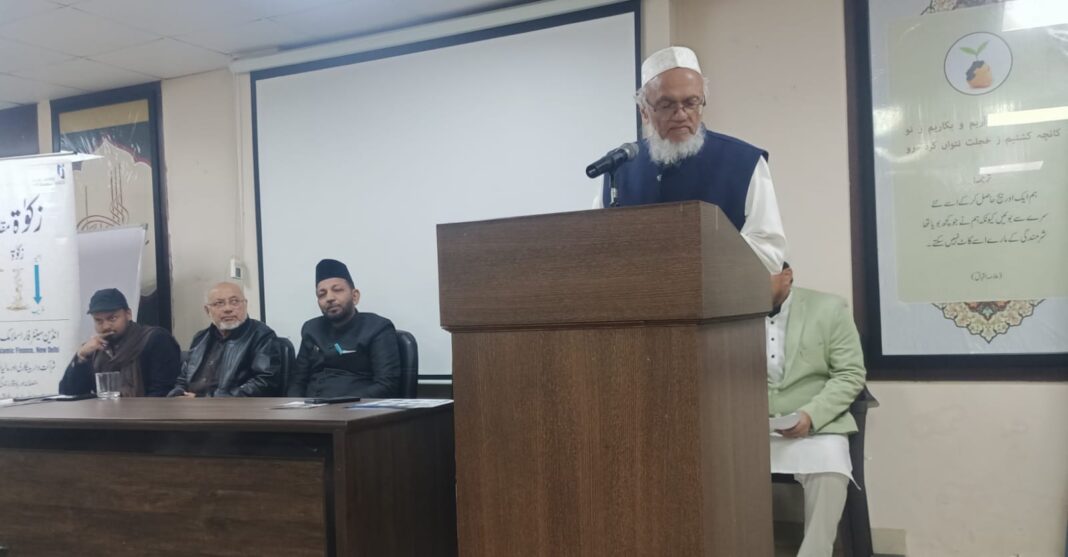
At a January 2026 seminar in New Delhi, prominent Islamic scholars and community leaders examined the evolving framework of Zakat distribution in India. Among the keynote speakers was Mufti Abdulqadir Barkatulla, Trustee of IMRC UK, who emphasised the importance of balancing individual giving with institutional accountability. Discussions centred on developing hybrid, trust-based models that combine personal engagement with structured, transparent systems to ensure equitable and strategic disbursement. The seminar underscored the need for governance standards, community oversight, and data-driven targeting to reach the most vulnerable beneficiaries effectively. The dialogue marks an important step toward strengthening sustainable charitable practices across Indian Muslim institutions. India Tomorrow
Medical Support & Critical Care Aid – Delivered via Pain Care Trust
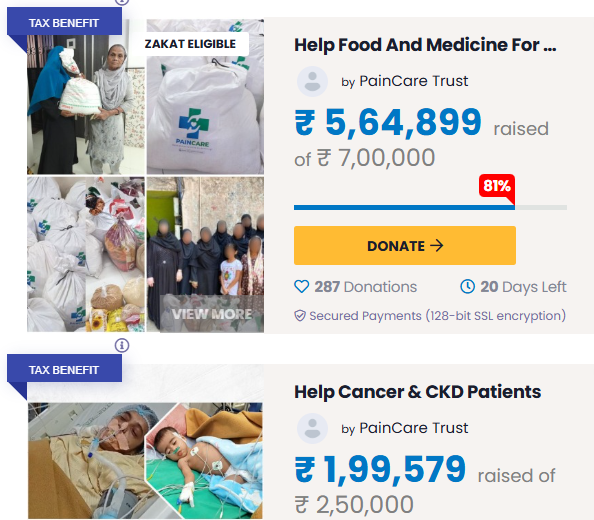
IMRC UK’s medical support initiative, implemented through Pain Care Trust, continues to assist critically ill patients from economically disadvantaged families. The programme provides emergency financial assistance for hospital treatment, medication, and life-saving procedures in areas such as Bhiwandi and Thane. By addressing urgent healthcare needs, the initiative helps reduce distress and prevent families from falling deeper into poverty due to medical expenses. This partnership reflects a shared commitment to compassionate, community-based healthcare delivery and targeted relief for the most vulnerable. Pan Care Trust
Contact & Donation Info:
IMRC UK, UK Registered Charity No. 290198
Website: www.imrc.org.uk
Email: info@imrc.org.uk
Phone: +44 (0)20 1234 5678 (fictional for placeholder)
Donate via PayPal or bank transfer at
Join us in supporting our brothers and sisters – Donate today at www.imrc.org.uk!