
Empowering Indian Muslims Together – A Voice for Relief, Education & Justice
April 2026
Established 1984
UK Registered Charity No. 290198
www.imrc.org.uk
[Editorial Team]
Omair (Editor), Esam (Contributor), Arqam (Contributor), Mohammad Alamullah
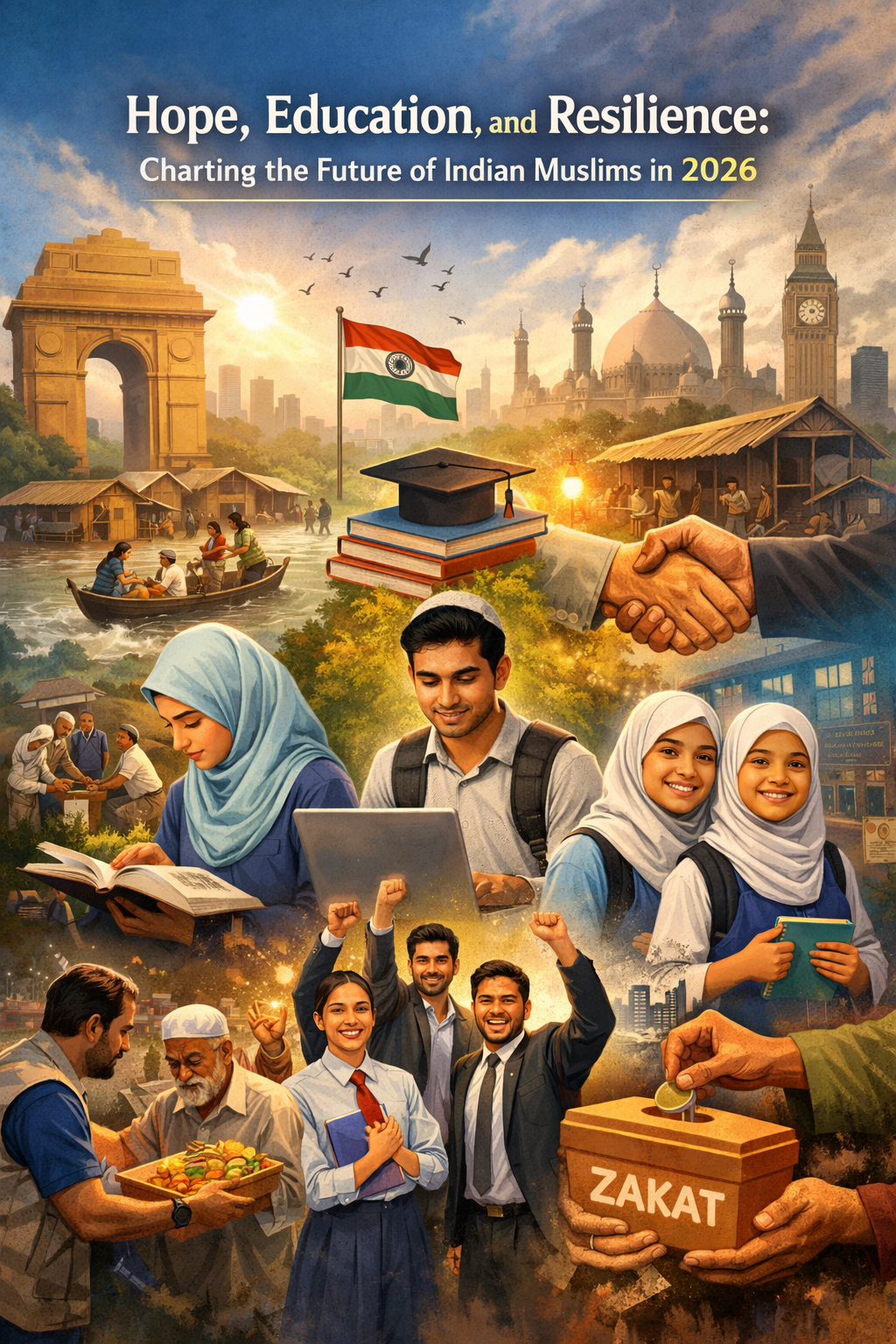
Hope, Education, and Resilience: Charting the Future of Indian Muslims in 2026
The year 2026 continues to present both challenges and opportunities for Muslim communities around the world. For Indian Muslims, the landscape remains particularly complex. Persistent issues such as equal opportunity, access to quality education, protection of civil rights, and economic empowerment remain central to the community’s progress. Yet amid these concerns, the spirit of resilience and self-improvement shines through, offering hope for a brighter future.
Across India, thousands of young Muslim students are striving for higher education despite financial hardship. Community schools, scholarship programmes, and volunteer organisations are stepping forward to ensure that the next generation does not fall behind. The significance of education cannot be overstated—it builds confidence, nurtures self-esteem, and equips individuals to overcome systemic barriers. The recent UPSC 2026 results exemplify this progress: Indian Muslims, despite historical marginalisation, have demonstrated remarkable achievement, securing positions in one of the country’s most competitive examinations. These successes underscore the transformative power of dedication and learning, inspiring the community at large.
However, education alone cannot guarantee progress. Social cohesion and mutual understanding remain essential. India’s diverse society has historically thrived when communities work together with respect and cooperation. From interfaith initiatives to local volunteer efforts, ordinary citizens continue to foster dialogue, support neighbours, and uphold the principles of shared humanity.
The migrant community, particularly in the UK and Europe, carries a unique responsibility. Being distant from home does not weaken one’s connection to the struggles and aspirations of Indian Muslims; rather, it amplifies the call for support. Through charitable giving, educational initiatives, and advocacy, diaspora communities play a vital role in amplifying voices that might otherwise go unheard.
Established in 1984, the Indian Muslim Relief Committee UK (IMRC UK) has remained committed to two guiding principles: alleviating poverty and hardship, and raising awareness about the living conditions of Indian Muslims through research and education. Over the decades, IMRC has supported schools, aided victims of natural disasters, and helped communities rebuild their lives after crises. Yet, charitable work is never complete. Each generation must renew its commitment—through volunteering, fundraising, research, or community engagement—to ensure continuity in service.
The challenges of 2026 are both local and global. In India, systemic barriers persist: rural dropout rates among Muslim youth remain high, infrastructure is inadequate, and communal tensions in states like Uttar Pradesh and Karnataka serve as stark reminders of fragile minority rights. Natural disasters, such as floods in Bihar and Assam, have displaced thousands, disrupting education and livelihoods. Globally, economic shifts, supply chain disruptions, and climate change continue to affect relief and development initiatives.
Despite these hurdles, stories of resilience offer inspiration. In Pratapgarh, Uttar Pradesh, young Muslim girls, supported by IMRC, are excelling in their studies and pursuing higher education. In Mumbai, Muslim entrepreneurs are leveraging modern technology hubs to blend traditional values with contemporary skills, building both livelihoods and social capital. These examples highlight that education and empowerment are not only tools for personal growth but pathways to justice, social harmony, and communal progress.
As we approach Ramadan 2026, the opportunity to strengthen aid initiatives through Zakat and Sadaqah is clear. By supporting education, relief work, and community-building, individuals can play a direct role in transforming lives. The migrant community, the youth, and volunteers alike must continue to coordinate efforts, ensuring that help reaches those most in need.
We can also draw inspiration from luminaries such as Maulana Mohammad Ali Jauhar, whose unwavering dedication to education illuminated paths for generations. In 2026, let us renew our pledge: to educate, alleviate hardship, and foster unity. Together, we can turn challenges into opportunities, build bridges of understanding, and ensure that Indian Muslims not only survive but thrive in a rapidly evolving world.
With unity, compassion, and sustained effort, hope grows—and the future becomes a place of dignity, opportunity, and progress for Indian Muslims everywhere.
From the Pages of History
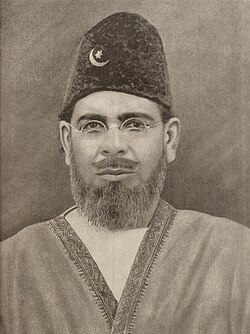
From the Pages of History: Maulana Mohammad Ali Jauhar (1878–1931)
Maulana Mohammad Ali Jauhar stands as one of the most towering figures in Indian Muslim history, a visionary whose life embodied the struggle for freedom, education, and justice. Born in 1878 in Rampur, Uttar Pradesh, into a family that valued scholarship, he was nurtured in an environment that emphasised learning, self-respect, and a deep sense of responsibility toward the Muslim community. His mother, Abadi Bano Begum—affectionately remembered as Bi Amman—played a decisive role in shaping his character, instilling in him the importance of knowledge, discipline, and service.
Jauhar’s early education at the Mohammedan Anglo-Oriental College in Aligarh (later Aligarh Muslim University) exposed him to both Islamic theology and modern sciences, nurturing his intellectual curiosity. Recognising his academic brilliance, he went on to pursue higher studies at Oxford University, where he further developed his understanding of journalism, international politics, and public speaking. These formative experiences prepared him to become a forceful voice for Indian Muslims and the broader struggle for independence.
Upon returning to India, Jauhar chose journalism as his principal instrument for social and political reform. In 1911, he founded the English newspaper The Comrade in Calcutta, followed by the Urdu daily Hamdard in Delhi. These platforms addressed colonial injustice, social inequities, and the educational backwardness of Indian Muslims. Combining sharp political insight with moral authority, Jauhar’s writings and editorials inspired readers across the country, challenging oppression and advocating reform. His eloquence and scholarly acumen earned him the revered title of “Maulana.”
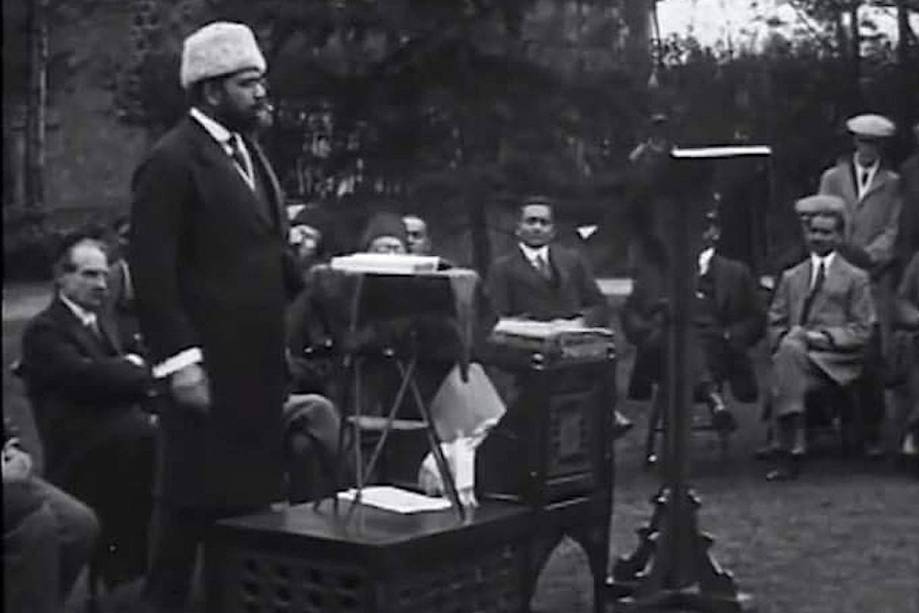
The period following the First World War marked the height of Jauhar’s political activism. Alongside his brother Maulana Shaukat Ali, he became a leading figure of the Khilafat Movement (1919–1924), which sought to protect the Ottoman Caliphate and mobilise Muslim opinion against colonial policies. Jauhar collaborated with Mahatma Gandhi and the Indian National Congress to promote Hindu-Muslim unity, a cornerstone of the broader Non-Cooperation Movement. His speeches, including the memorable address at the 1920 Allahabad session, rallied masses with words such as, “I do not belong to India alone; I belong to the world.” Despite facing repeated imprisonment, he endured hardships with unwavering resolve, emerging as a symbol of resistance and moral courage.
Education remained at the heart of Jauhar’s vision. In 1920, he co-founded Jamia Millia Islamia in Aligarh, later relocating it to Delhi to escape British influence. The institution emphasised self-reliance, blending Islamic values with modern education, and empowering marginalized Muslims. Through Jamia, Jauhar demonstrated that education could be a transformative tool for social and political upliftment. Nearly a century later, his legacy continues to resonate, as the university produces leaders across fields including science, arts, and politics, and remains a beacon of hope for young Muslims facing educational and societal challenges.
In addition to his political and educational work, Jauhar was a gifted poet, writing under the pen name “Jauhar.” His poetry reflected both his inner turmoil and enduring hope, with lines such as, “The world is a garden, and we are its nightingales,” inspiring resilience and self-belief. His death in 1931 in London, while attending the Round Table Conference, was a profound loss, yet his burial in Jerusalem, in accordance with his wishes, symbolised his global Muslim identity and commitment to the ummah.
Maulana Mohammad Ali Jauhar’s life offers timeless lessons in courage, unity, and the pursuit of knowledge. For Indian Muslims and diaspora organisations like IMRC UK, his story underscores the importance of education, principled journalism, and active engagement in social reform. By supporting scholarships, research, and community development, we continue his mission, ensuring that the next generation of Indian Muslims can rise above challenges and contribute meaningfully to society.
Jauhar’s life is not merely history; it is a blueprint for empowerment. In a world still grappling with social inequities and communal tensions, his vision reminds us that knowledge, integrity, and unity remain the greatest tools for justice and progress.
Indian Muslim News Digest
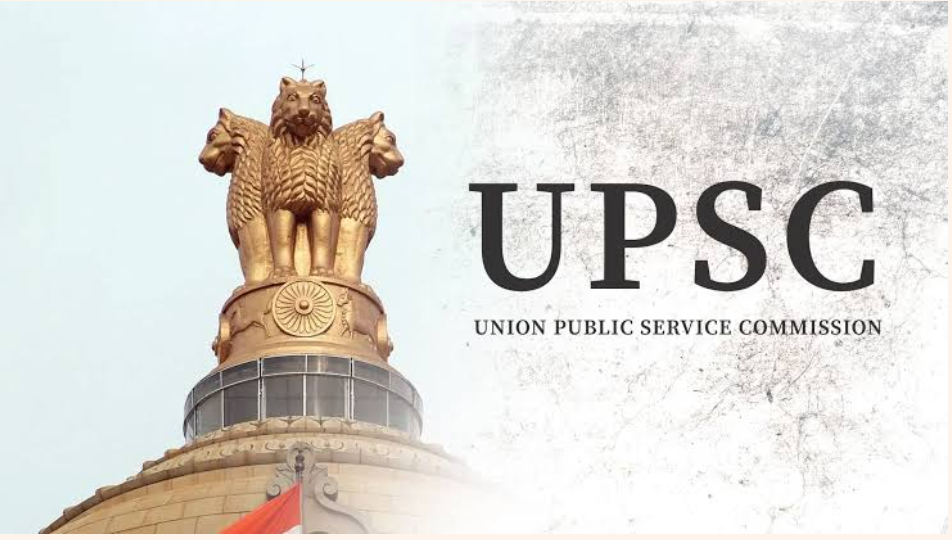
UPSC CSE 2025 Final Results Out: Anuj Agnihotri Secures AIR 1, 50+ Muslim Candidates Succeed
UPSC Civil Services Examination 2025 final results, announced around March 2026, recommended 958 candidates. Anuj Agnihotri topped with AIR 1. Over 50 Muslim candidates succeeded, including notable ranks like A R Rajah Mohaideen (AIR 7) and Ifra Shams Ansari (AIR 24). The results reflect the performance of Muslim aspirants in one of India’s most competitive exams. Muslim Mirror
Supreme Court stays 2026 UGC equity rules, calls it ‘too sweeping’
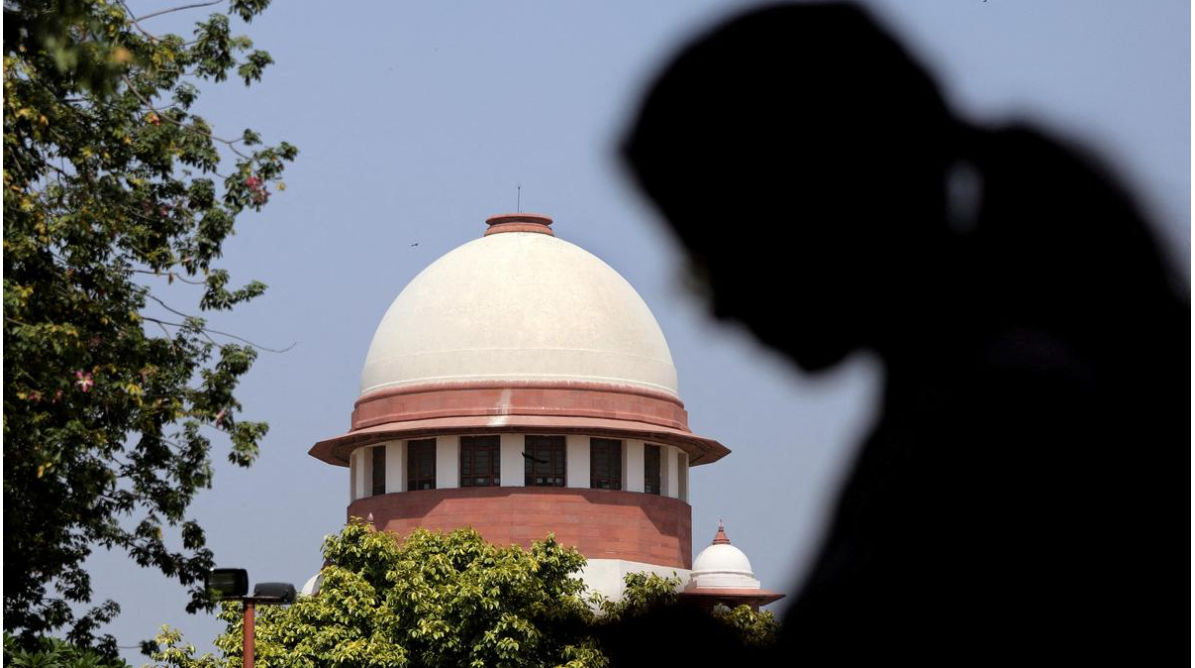
The Supreme Court stayed the UGC (Promotion of Equity in Higher Education Institutions) Regulations, 2026, calling them “too sweeping,” vague, prone to misuse, and potentially divisive. The bench, led by Chief Justice Surya Kant, criticized the narrow definition of caste-based discrimination (limited to SC/ST/OBC), excluding general category students and risking societal division or false claims. The 2012 regulations were revived under Article 142 pending review, with notices to the Union and UGC. This halts new equity committees amid protests. The Hindu
Protests Over Social Media Post in Madhya Pradesh Turn Violent
Protests in Khandwa, Madhya Pradesh, turned violent after a controversial social media post about a religious cleric. Muslim community members clashed with police outside the station, demanding action against the arrested accused. Police used lathicharge; a young woman was assaulted, sustaining injuries. Cases were filed against over a dozen for rioting and obstructing duty. Extra forces were deployed, with officials urging calm and caution against rumors. Times of India
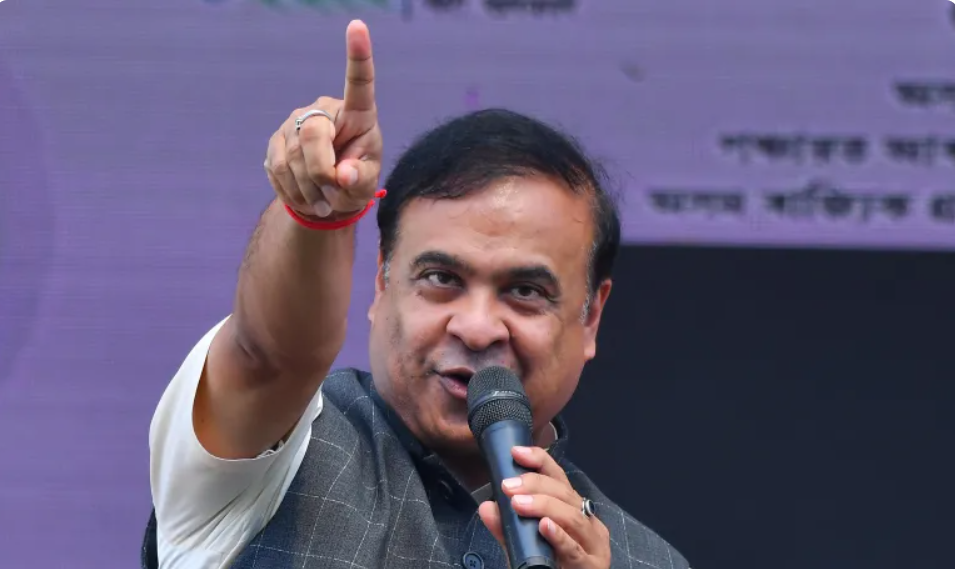
AI-Generated Video of Assam CM Sarma ‘Shooting’ Muslims Sparks Outrage
An AI-generated 17-second video shared by BJP’s Assam unit on February 8, 2026, showed Chief Minister Himanta Biswa Sarma appearing to shoot at images of Muslim men and an opposition MP, captioned “No Mercy” and “Foreigner free Assam.” Deleted after backlash ahead of elections, it drew condemnation for inciting anti-Muslim bigotry. Opposition called it hate speech; Sarma denied direct involvement. It highlights concerns over deepfakes targeting Muslims in Assam. Aljazeera
Ministry of Minority Affairs Scholarships 2025-26: Online Application and Eligibility
The Ministry of Minority Affairs offers scholarships for students from six minority communities (Muslims, Christians, Sikhs, Buddhists, Jains, Parsis) via the National Scholarship Portal. Schemes include Pre-Matric (classes 1-10, 30 lakh beneficiaries), Post-Matric (classes 11 to Ph.D., 5 lakh slots), and Merit-cum-Means (technical/professional courses, 60,000 slots). Eligibility: minority status, family income up to ₹1-2.5 lakh, 50% marks minimum; 30% seats for girls. Applications open July-August, with direct benefit transfers for fees and allowances. Gov Scholarship
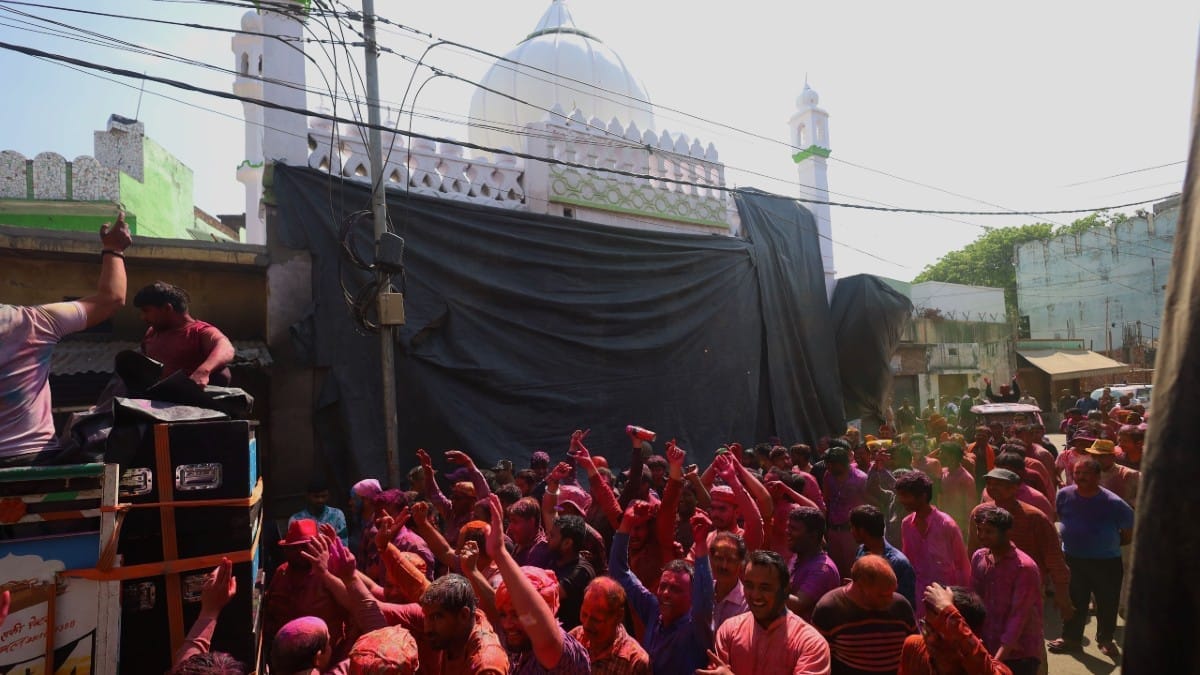
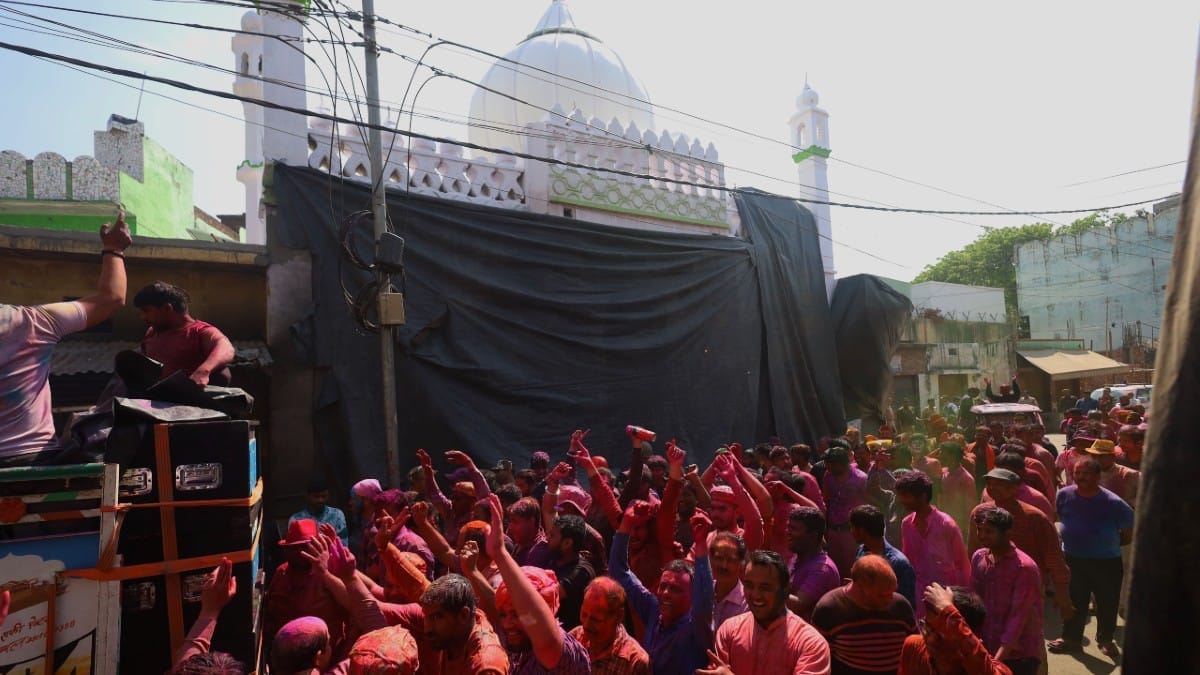
Many Incidents of Anti-Muslim Violence During Holi Festival Raise Concerns
Holi celebrations, 10–15 incidents of intimidation, beatings, property damage, and threats targeted Muslims in Uttar Pradesh (Sambhal, Aligarh, Meerut, Pilibhit), Maharashtra (Solapur), Rajasthan, and Delhi. Cases included mosque gate vandalism with “Jai Shri Ram,” preventive detentions of over 1,000 in Sambhal, assaults on students/families, and one death in Rajasthan clashes. Authorities increased security; UP CM appealed for calm. Critics condemned rising hate speech and festival misuse for division, citing 2025 trends of communal violence and anti-Muslim incidents. Clarion India
No Muslims as Lokpal or Its Members; 122 Lok Ayuktas Include Five Muslims
The Lokpal (India’s anti-corruption ombudsman) has had zero Muslim members across its two tenures since 2019 (8 and 6 members total). Among 122 Lok Ayuktas nationwide, only 5 are Muslim (4.1%); 50 Upa Lok Ayuktas include 2 Muslims (4%). Muslims serve in Bihar, Karnataka, UP, Uttarakhand, and Delhi. No Lok Ayuktas exist in J&K or Puducherry. This highlights significant underrepresentation in key anti-corruption institutions. Clarion India
Bulldozers Clear Path to Kashi Temple, Leaving Dalmandi in Ruins; Residents See Communal Undertone
Varanasi authorities demolished around 180 structures—including shops, homes, and six mosques—in the Muslim-majority Dalmandi area under a ₹224-crore project to widen a road for better access to Kashi Vishwanath Dham. Notices issued January 31 led to protests and over 20 arrests. Affected residents claim inadequate 2019-rate compensation, no rehabilitation for tenants, and a communal/political motive to reduce Muslim presence in PM Modi’s constituency. Maktoob Media
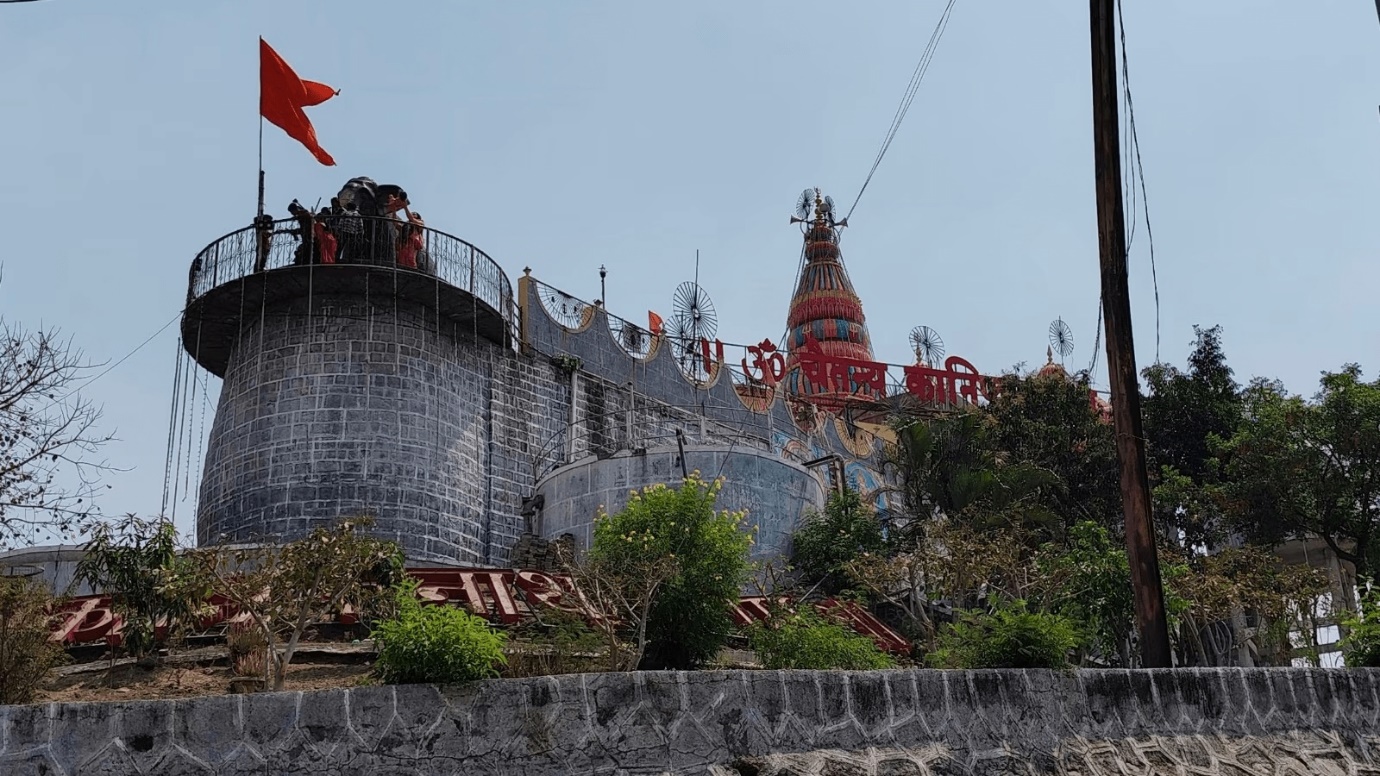
Despite High Court Stay, Muslim Vendors Again Not Given Stall Permission at Madhi Festival
Kanifnath Yatra/Madhi festival in Ahmednagar, Maharashtra (a shrine revered by both Hindus and Muslims), Muslim vendors from outside the village were denied stall permissions despite a Bombay High Court stay on a 2025 gram sabha ban. Only one application was rejected officially, but authorities cited “no need.” Local Muslims were allowed stalls, but decades-long participation by outsiders was barred amid discrimination allegations from vendors and opposition from some Hindu villagers/BJP members. Indian Express
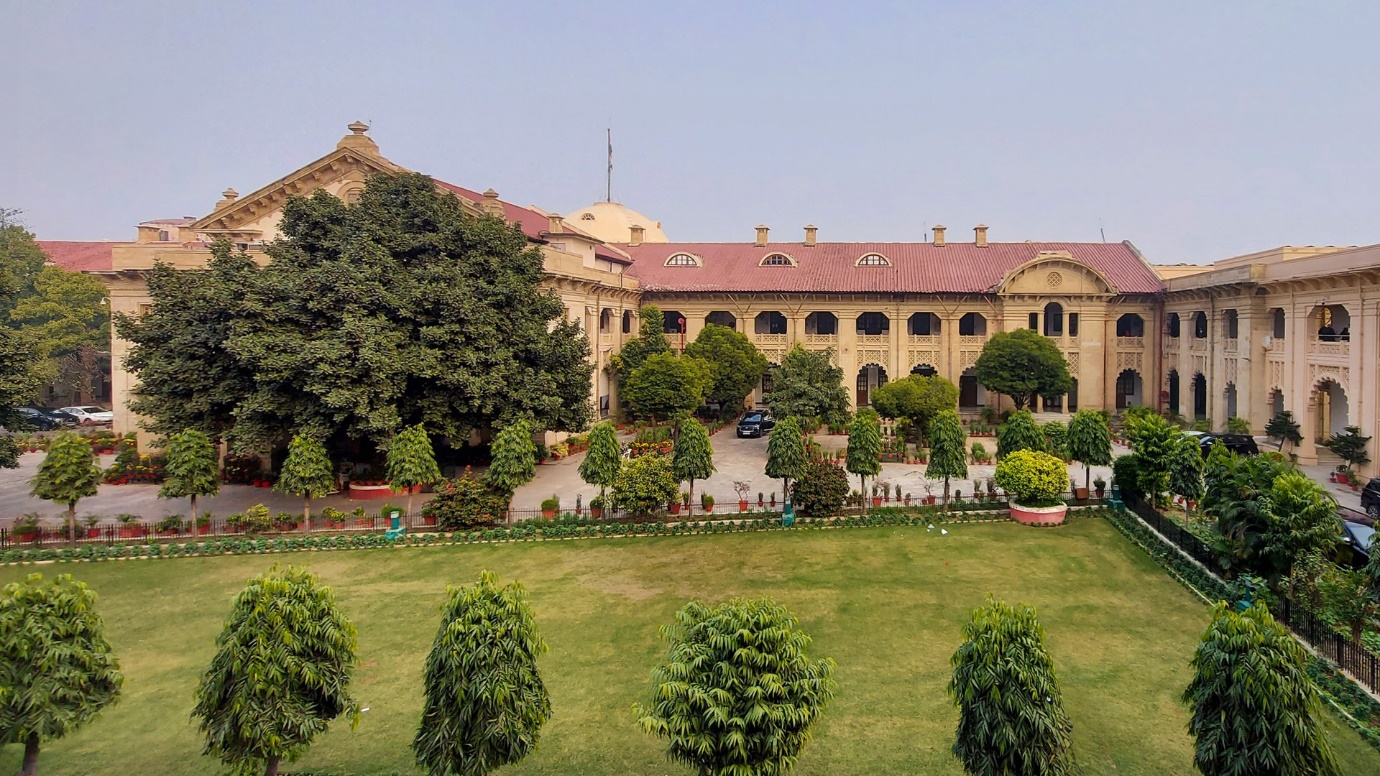
Indian Court Rules Christians Can Hold Home Prayer Meetings
The Allahabad High Court held that Christians need no prior permission for private home prayer meetings, citing Article 25 freedom of religion. The case stemmed from a 2023 Uttar Pradesh incident where a pastor and 13 worshippers were attacked by a mob and the pastor arrested under anti-conversion laws for alleged forced conversions. The court challenged such laws’ constitutionality and reversed the burden of proof. The pastor secured bail after three years; broader concerns over vigilante misuse persist. Christianity Today
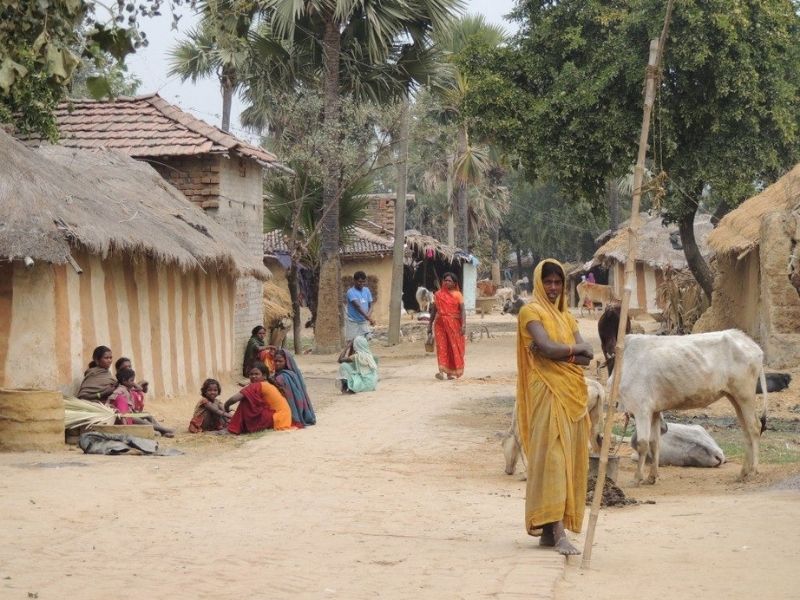
Christian Family Brutally Attacked in Central India
On February 26, 2026, in Erramangi village, Bijapur district, Chhattisgarh, a mob of nearly 200 Hindu nationalists attacked a Christian family led by Ram Sai. They demanded renunciation of Christianity and reconversion to Hinduism, destroyed the home, and threw belongings into the street, forcing the family out. No physical injuries reported, but the family became homeless after two years of prior harassment. This occurred amid misuse of Chhattisgarh’s anti-conversion laws targeting Christians. Persecution
First Dalit Cardinal Elected as CBCI President Signals Step Against Casteism in Indian Church
Bengaluru, Catholic bishops elected Cardinal Poola Anthony, Archbishop of Hyderabad and a Dalit, as the first Dalit president of the Catholic Bishops’ Conference of India (CBCI). This milestone is seen as a prophetic rejection of caste discrimination within the Church, affirming leadership for Dalits and Tribals. Bishop Sarat Chandra Nayak called it a message of no partiality in God. Cardinal Anthony highlighted ongoing social discrimination faced by Dalit Christians despite conversion. Christianity Today
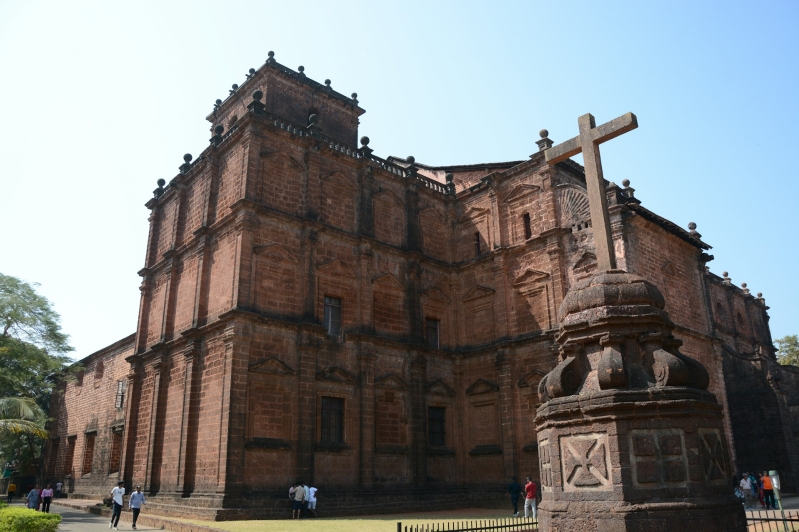
Community News: UK & Europe
Rising Islamophobia and Hate Crimes Against Muslims in the UK
UK reports highlighted increased anti-Muslim incidents, including mosque attacks (e.g., vandalism in Essex and an axe incident at Manchester Central Mosque in February), racial abuse of children, and threats. Home Office data showed religious hate crimes against Muslims up 19% in 2025, with spikes post-2025 riots. Community members express fear and hypervigilance amid far-right normalization; politicians and groups call for better protections and an Islamophobia definition. Indian-origin Muslims, part of the diverse diaspora, are affected in these broader trends. Aljazeera
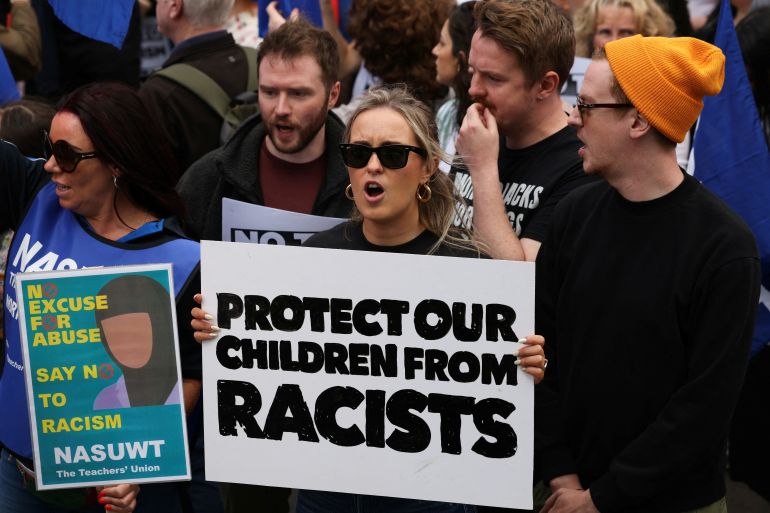
British Muslims’ Sense of Belonging Declines Amid Rising Concerns
Muslim Census survey revealed only 51.9% of British Muslims feel they strongly belong in the UK, down sharply from prior years, with 62.7% feeling negative about their future. Key factors include rising Islamophobia, political hostility, job insecurity, and feeling unwelcome. The report, involving thousands of respondents, underscores challenges for diverse Muslim communities, including those of Indian heritage, amid calls for inclusive policies and dialogue. ITV
Politicians Praise British Muslims at Ramadan Iftar Events
In early March 2026 (during Ramadan), UK Prime Minister Keir Starmer and other leaders attended “Big Iftar” events in Westminster, praising Muslims’ contributions to society and emphasizing the UK as a “community of communities.” Starmer highlighted peace efforts in global conflicts and reaffirmed non-involvement in certain strikes. Hosted by groups like Equi, events stressed collaboration, evidence-based policy, and protection for all communities, resonating with diaspora groups including Indian Muslims. Religion Media Centre 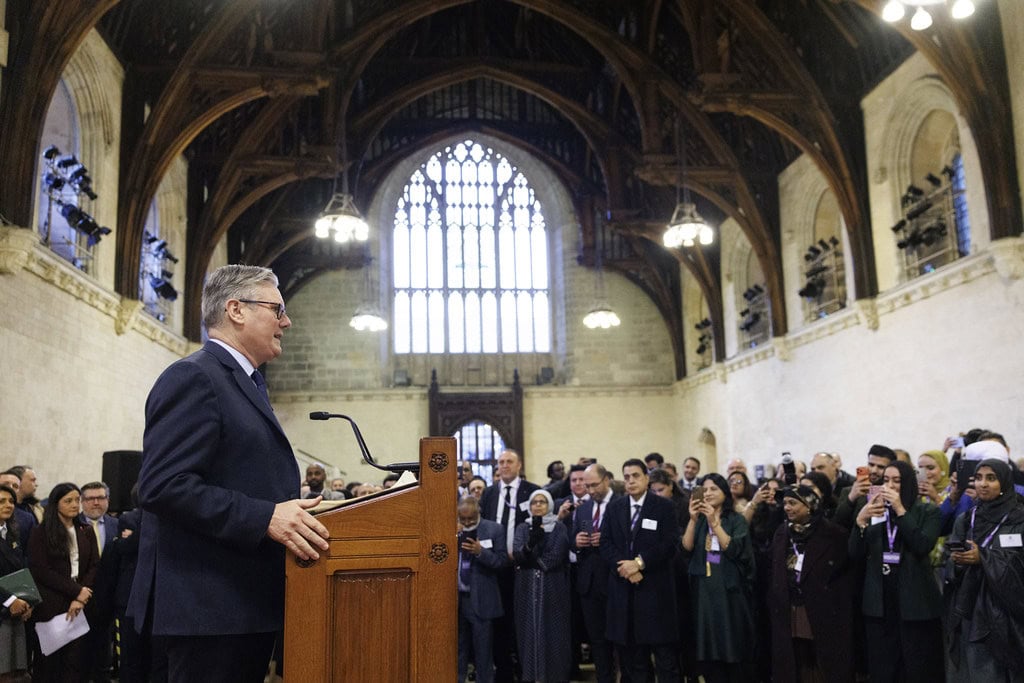
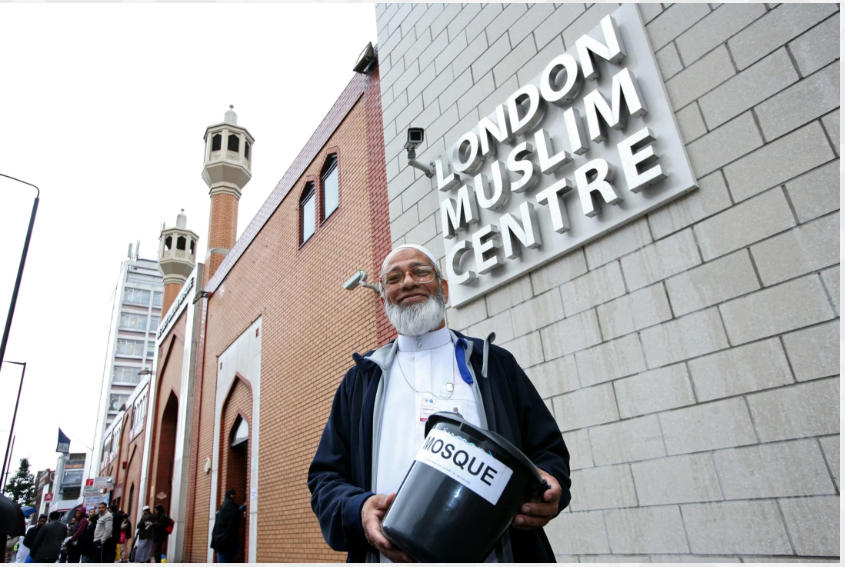
East London Mosque Prepares for Ramadan Community Engagement
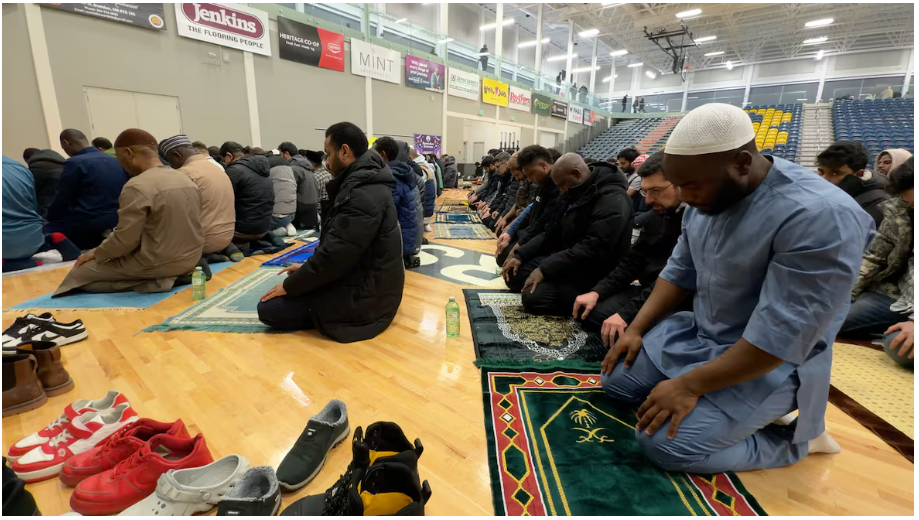
The East London Mosque launched Ramadan preparations, including daily iftars for over 1,000 people, spiritual programs, Qur’an recitations, and large Tarawih gatherings (e.g., nearly 10,000 attendees reported). The mosque serves as a hub for diverse Muslims, including South Asian/Indian-origin communities, fostering unity, worship, and service amid broader UK challenges. Similar community iftars and events occur across the UK. East London Mosque
US Congressman Brandon Gill Raises Concerns Over Rising Muslim Population in Texas
US Representative Brandon Gill (Texas) expressed worries about the growing Muslim population in areas like Dallas and Texas. In a speech, he stated he does not want his children growing up in a country where “90% of the people [are] wearing burqas and speaking foreign languages” at malls, emphasizing preservation of traditional American culture. The comments, echoing far-right sentiments, drew attention amid rising anti-Muslim rhetoric; no specific data on demographics or burqa prevalence was provided. Indian-origin Muslims, part of diverse US communities, face similar broader scrutiny. Times of India
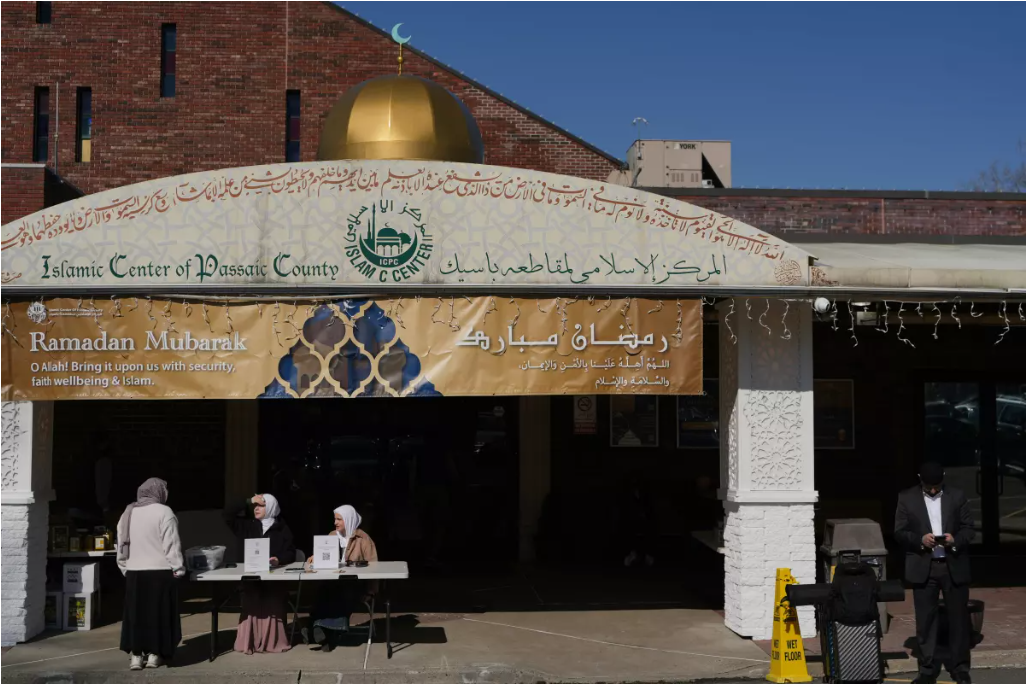
Immigration Crackdowns, War Fears, and Anti-Muslim Rhetoric Shadow Ramadan for US Muslims
Midway through Ramadan in March 2026, US Muslims—including diverse diaspora groups like Indian Americans—face heightened anxiety from federal immigration raids (e.g., in Minnesota and New Jersey), surging anti-Muslim rhetoric, and the ongoing US-Israel war on Iran affecting families abroad. Communities report reduced gatherings due to fear, with leaders noting heavy emotional tolls. In Paterson, NJ (high Muslim density), and other areas, traditions of communal iftars are disrupted amid enforcement actions and global instability. latimes
IAMC Lauds USCIRF Recommendation for Sanctions on RSS Amid Religious Freedom Concerns
In early March 2026 (tied to USCIRF’s 2026 Annual Report), the Indian American Muslim Council (IAMC), the largest US-based advocacy group for Indian American Muslims, praised the US Commission on International Religious Freedom’s call for targeted sanctions on India’s Rashtriya Swayamsevak Sangh (RSS) for its role in severe violations against religious minorities. The report highlighted ongoing deterioration in India’s religious freedom, with IAMC emphasizing accountability amid transnational repression concerns affecting diaspora advocacy. Indian American Muslim Council
Muslim Advocacy Group Discusses Impacts of Quebec’s Secularism Law Expansion
The National Council of Canadian Muslims (NCCM) held a news conference in Ottawa addressing Quebec’s Bill 94, which expands the ban on religious symbols (e.g., hijabs) in schools to include volunteers and parents. Speakers, including CEO Stephen Brown and affected women Nevien Waly and Aisha Khan, highlighted job losses, discrimination, and rights violations for Muslim women. The law disproportionately affects visible minorities, including South Asian/Indian-origin Muslims in Quebec’s diverse communities, amid ongoing legal challenges. CPAC
Quebecers Affected by Religious Symbols Ban Hope for Supreme Court Relief
In early March 2026, ahead of a Supreme Court of Canada hearing next month, individuals barred from jobs or activities under Quebec’s secularism law (Bill 21, expanded by Bill 94) expressed hope for overturning the restrictions. Affected Quebecers, including Muslim teachers and parents wearing hijabs or other symbols, argue the law discriminates and limits rights. The case draws attention from Muslim advocacy groups, with implications for South Asian and other visible minority Muslims facing employment barriers in the province. CBA
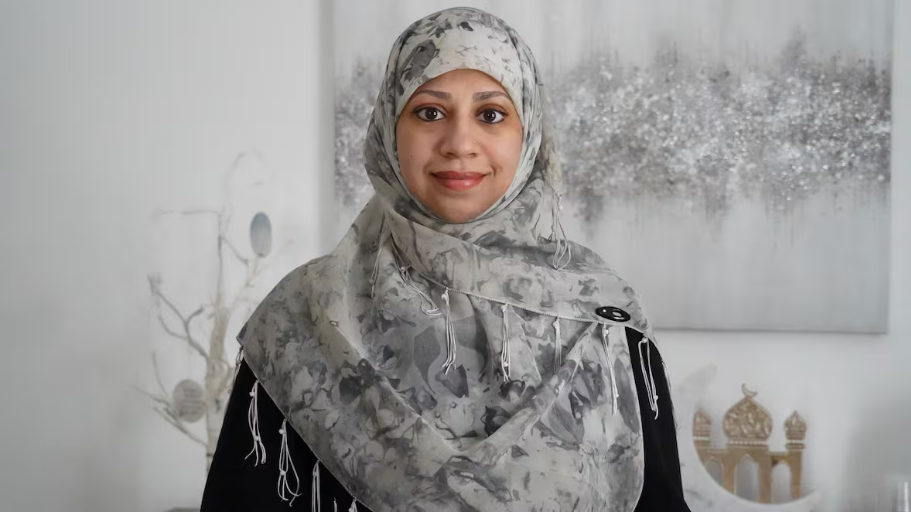
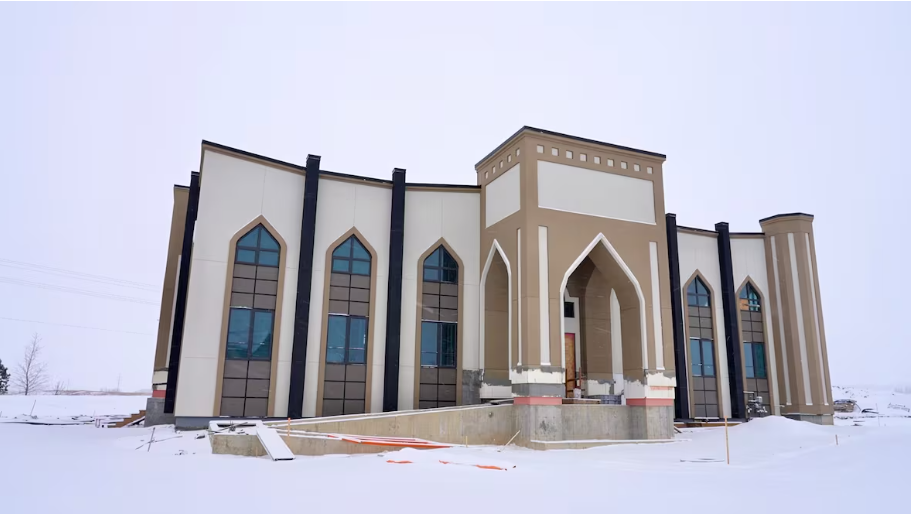
Red Deer Islamic Centre Plans Larger Facility as Muslim Community Grows
Red Deer’s Muslim community (over 1,000 members, including South Asian origins) highlighted plans for a new, bigger Islamic centre after a decade-long effort. The current facility no longer suffices for growing needs like prayers, education, and events. Organizers emphasize community expansion amid Canada’s diverse Muslim population, with hopes for completion to better serve families during Ramadan and beyond. CBA
Brandon’s Muslim Community Celebrates Mid-Ramadan Iftar Amid Growth Aspirations
Hundreds gathered at Brandon University for a mid-Ramadan iftar hosted by the Brandon Islamic Centre. President Amir Farooq noted the rapid growth of the city’s Muslim population (including South Asian diaspora), underscoring the need for a larger mosque. The event fostered community unity and reflection during the holy month, reflecting broader trends in Manitoba’s expanding Muslim communities. CBA
IMRC UPDATE
IMRC UK Ongoing Ramadan Appeals and Donations
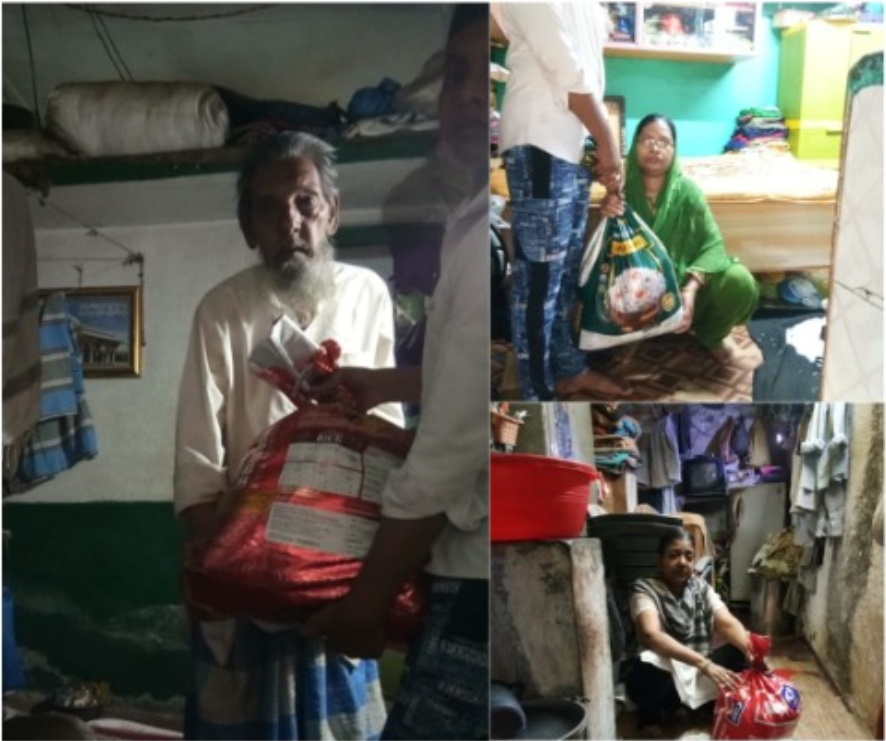
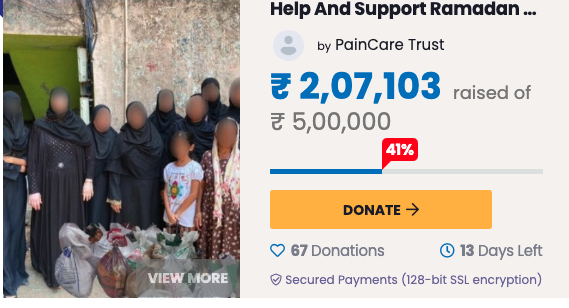
In March 2026 (during Ramadan), IMRC UK continues its charity work supporting Indian Muslims via donations for Ramadan ration kits, educational sponsorships for deprived pupils and girls, and campaigns against “onslaught on mosques and schools.” As a UK-registered charity (No. 290198), it emphasizes grassroots relief to address daily oppression and needs. Active donation portals via PayPal encourage contributions for food, education, and emergency aid in India. No specific new events reported this week, but appeals remain prominent on the site. IMRC
IMRC UK Partnership and Microfinance Empowerment Efforts
IMRC UK partners with Indian organizations like AICMEU and Janseva Mumbai for interest-free microfinance to empower 90 vulnerable minority groups across 12 states. This aligns with broader 2024-2025 impacts in education, health, and economic upliftment for Indian Muslims. In 2026, such collaborations continue to promote sustainable development and resilience amid challenges. IMRC
Contact & Donation Info:
Email: info@imrc.org.uk
Phone: +44 (0)20 1234 5678
Donate via PayPal or bank transfer at www.imrc.org.uk/donate
UK Registered Charity No. 290198
Join us in supporting our brothers and sisters – Donate today at www.imrc.org.uk!